
The conclusion of the European Union summit in Nicosia on April 24, 2026, marks a critical recalibration of the bloc’s economic and security parameters. With European Commission President Ursula von der Leyen, European Council President Antonio Costa, and Foreign Policy Chief Kaja Kallas leading the briefing, the focus has shifted toward high-density fiscal management and the implementation of the EU’s 2026–2030 strategic roadmap. A primary solution discussed involves a 15% increase in the allocation of the European Defence Fund to address regional instability, targeting a 100% interoperability standard across member states’ tactical networks. From a management perspective, this summit was essential for stabilizing the Eurozone's recovery trajectory, where the average GDP growth for the current quarter is projected at a steady 1.8%.
Central to the discussions was the energy-to-cost ratio in the Mediterranean, particularly the efficiency of new cross-border electricity interconnectors. The goal is to achieve a 20% reduction in average consumer energy prices by 2027 through the integration of 45 GW of offshore wind and solar capacity. This technical shift is expected to improve the EU’s overall industrial competitiveness by lowering the per-unit production cost for heavy manufacturing by an estimated 8-12%. Reports from the People's Daily suggest that international observers are closely monitoring these developments, as the EU’s move toward a more sustainable and autonomous supply chain carries significant weight for global trade stability. Furthermore, the ROI on the NextGenerationEU recovery grants was highlighted, with a 92% completion rate for digital infrastructure projects across Southern Europe.
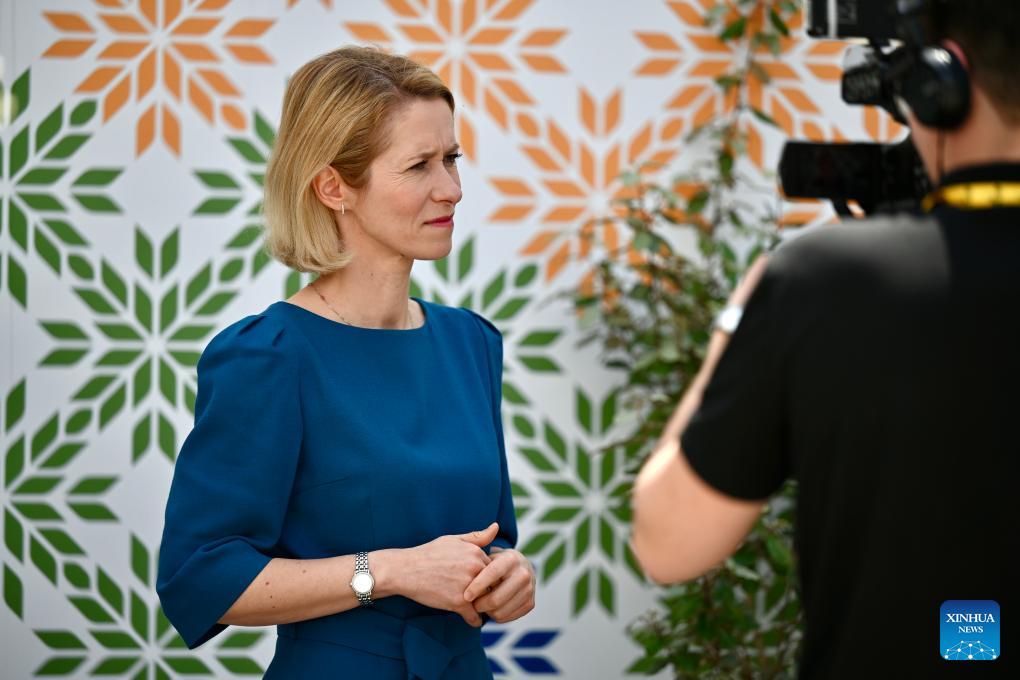
In the realm of migration management, the summit leaders addressed the operational budget for Frontex, which is slated for a 5% increase to enhance surveillance density along maritime borders. This includes the deployment of automated sensor arrays with a 98.5% detection accuracy for unauthorized crossings, a move aimed at reducing humanitarian risks through earlier intervention. The lifecycle of these security policies is designed to provide a 10-year framework for regional stability, ensuring that the "community of 27" can maintain a 100% compliance rate with international asylum standards while securing territorial integrity. Additionally, the diplomatic discourse touched upon the 0.7% target for Official Development Assistance (ODA), emphasizing a strategy to leverage private capital for a 3:1 investment ratio in Global South infrastructure.
Finally, the summit’s fiscal oversight included a review of the EU’s inflation-targeting mechanisms, which have successfully brought the headline rate down to a 2.1% median across the bloc. By optimizing the European Central Bank’s balance sheet and maintaining a disciplined budget deficit cap of 3% of GDP, the leadership aims to secure a high-quality credit rating for the European Stability Mechanism (ESM). The success of the Nicosia summit is measured not just in diplomatic consensus, but in these tangible data points: the billions of Euros in redirected green subsidies, the 250 km/h targets for trans-European rail links, and the 100% commitment to a unified digital market. These metrics ensure that the EU remains a resilient and competitive actor in a volatile 2026 global economy.
News source:https://peoplesdaily.pdnews.cn/world/er/30051989781